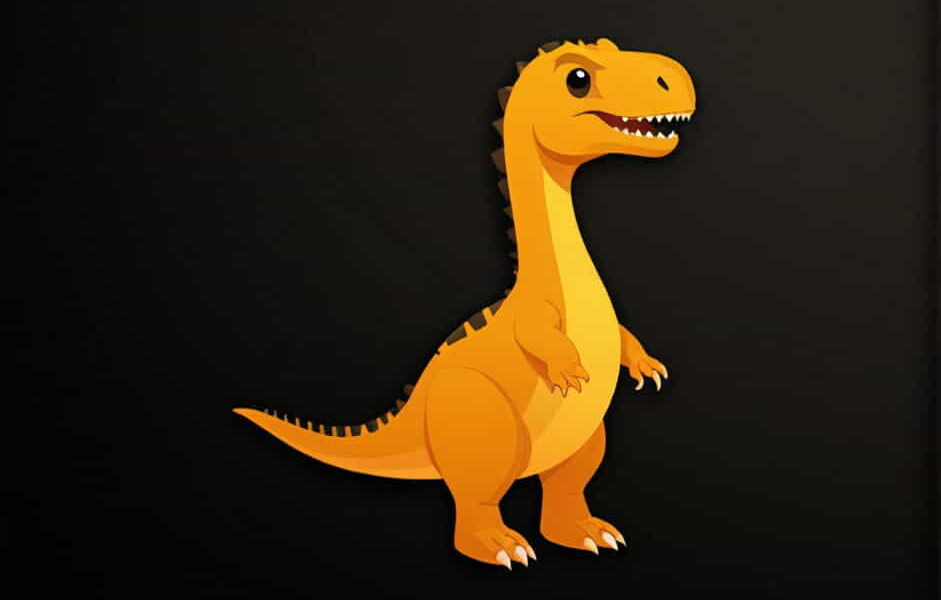
Dinosaurs are one of the most fascinating creatures to have ever walked the Earth, and among them, certain species stand out due to their unique features. One of the most iconic characteristics of some dinosaurs is their long necks. These long-necked dinosaurs belong to the sauropod group and are often remembered for their immense size, gentle nature, and towering presence. But what exactly is the dinosaur with the long neck? This topic will explore the different types of long-necked dinosaurs, their characteristics, and their importance in the prehistoric world.
The Sauropod Dinosaurs: Giants with Long Necks
What Are Sauropods?
Sauropods are a group of herbivorous dinosaurs that are characterized by their long necks, long tails, and massive bodies. These dinosaurs lived during the Mesozoic Era, particularly in the Jurassic and Cretaceous periods. Sauropods were some of the largest animals to ever live on Earth, with many reaching lengths of over 100 feet.
The long necks of sauropods allowed them to reach high vegetation, making it easier for them to feed on leaves and plants that other dinosaurs couldn’t access. Their long tails, on the other hand, may have been used for balance or as a defense mechanism.
Common Features of Long-Necked Dinosaurs
Long-necked dinosaurs, or sauropods, shared several physical features:
-
Long necks: These dinosaurs had necks that could stretch up to several meters long, allowing them to reach vegetation in tall trees.
-
Massive bodies: Sauropods were large, with some species weighing up to 80 tons.
-
Small heads: Their heads were relatively small compared to their massive bodies and long necks.
-
Herbivorous diet: Sauropods primarily ate plants, and their long necks helped them graze over vast areas of land without moving much.
Now that we know a little about sauropods, let’s dive into some of the most famous long-necked dinosaurs.
Famous Long-Necked Dinosaurs
Brachiosaurus
One of the most well-known long-necked dinosaurs is the Brachiosaurus. This dinosaur lived during the late Jurassic period and is famous for its impressive size and unique body structure. Unlike most other sauropods, the Brachiosaurus had a neck that was longer than its tail, which gave it a distinctive appearance.
Key Features of Brachiosaurus:
-
Size: Brachiosaurus grew to lengths of up to 85 feet and weighed around 50 tons.
-
Neck: Its neck was unusually long compared to its body, which allowed it to reach vegetation high up in trees.
-
Diet: Brachiosaurus was a herbivore, feeding on plants and trees that other herbivorous dinosaurs couldn’t reach.
The Brachiosaurus is one of the most famous long-necked dinosaurs and has appeared in many popular culture references, such as movies like Jurassic Park.
Apatosaurus
Another well-known long-necked dinosaur is the Apatosaurus. This dinosaur lived in the late Jurassic period and is often confused with its close relative, the Brontosaurus, though there are key differences.
Key Features of Apatosaurus:
-
Size: The Apatosaurus was approximately 75 feet long and weighed up to 20 tons.
-
Neck: Like other sauropods, the Apatosaurus had a long neck to help it reach high vegetation.
-
Diet: This dinosaur was also a herbivore and fed primarily on ferns, cycads, and other plant matter.
The Apatosaurus’s long neck and tail helped balance its large body, allowing it to navigate through dense forests and grasslands in search of food.
Diplodocus
The Diplodocus is another famous long-necked dinosaur that lived during the Late Jurassic period. It is one of the longest sauropods, with some individuals reaching lengths of up to 90 feet.
Key Features of Diplodocus:
-
Neck: The Diplodocus had a long neck and a long, whip-like tail that likely served as a defense mechanism against predators.
-
Size: Diplodocus was around 80 feet long and weighed around 12 tons.
-
Diet: As a herbivore, the Diplodocus fed on low-lying vegetation, including ferns and conifers.
The Diplodocus was well-adapted for feeding on large amounts of plant material, and its long neck allowed it to cover vast distances in search of food.
Argentinosaurus
For many, the Argentinosaurus is a symbol of the incredible size and power of long-necked dinosaurs. This species, which lived during the Late Cretaceous period, is often considered one of the largest land animals to have ever existed.
Key Features of Argentinosaurus:
-
Size: Argentinosaurus was an enormous dinosaur, measuring over 100 feet in length and weighing as much as 80 tons.
-
Neck: Like other sauropods, it had a long neck that allowed it to reach trees and vegetation high above the ground.
-
Diet: As a herbivore, it fed on trees, shrubs, and other vegetation that was within its reach.
The sheer size and power of the Argentinosaurus make it one of the most awe-inspiring long-necked dinosaurs in history.
How Did Long-Necked Dinosaurs Use Their Necks?
Feeding Strategy
The primary function of the long neck in dinosaurs like sauropods was to help them access food. By stretching their necks, they could graze on trees and plants that were otherwise difficult to reach. This gave them an advantage over other herbivores, as they could feed in a vertical range instead of being limited to ground-level vegetation.
Defense Mechanism
The long necks of some sauropods, like the Diplodocus, may have also played a role in defense. Although they were large and relatively slow, their long tails and necks could be used to ward off predators by whipping them away or using their size to intimidate attackers.
Thermoregulation
Another theory is that the long necks of sauropods could have played a role in thermoregulation, helping them to control their body temperature. The large size of these dinosaurs, combined with their long necks and tails, may have allowed them to absorb or release heat more effectively, helping them adapt to changing environmental conditions.
The long-necked dinosaurs, primarily sauropods, were some of the most fascinating creatures to have ever roamed the Earth. Their massive size, long necks, and herbivorous diets allowed them to thrive in their respective ecosystems. Famous species like Brachiosaurus, Apatosaurus, Diplodocus, and Argentinosaurus have captured the imagination of people worldwide.
Understanding the role that their long necks played in their survival gives us a deeper appreciation for how these ancient creatures adapted to their environment. Whether for feeding, defense, or thermoregulation, the long necks of these dinosaurs were integral to their success.