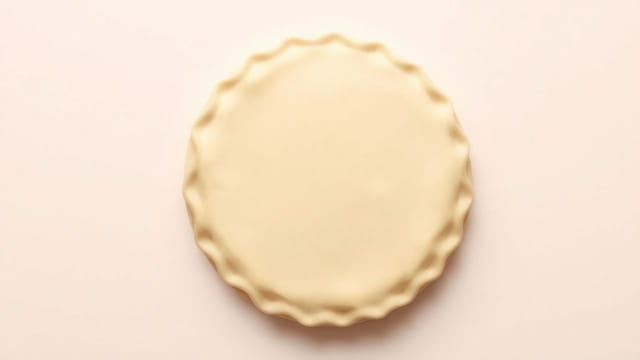
Mastering the Joy of Cooking Pie Crust with ShorteningFor generations, Joy of Cooking has been a trusted name in home kitchens. Among its most loved recipes is the classic pie crust made with shortening a go-to for bakers seeking a flaky, tender base for sweet and savory pies alike. Whether you’re new to baking or a seasoned cook, understanding how shortening transforms pie dough can elevate your baking game.
Why Choose Shortening for Pie Crust?
Shortening is a solid fat that is 100% fat, unlike butter which contains water. This makes it a popular choice for many bakers aiming for
-
Extra flakiness Shortening doesn’t melt as quickly as butter, helping create well-defined layers in the crust.
-
Tender texture The pure fat content contributes to a delicate, crumbly crust.
-
Ease of use It’s easier to work with than butter, especially in warmer kitchens.
These characteristics make shortening a key ingredient in the Joy of Cooking version of pie dough, where the goal is a crust that holds its shape while remaining soft and light.
Key Ingredients in the Joy of Cooking Pie Crust with Shortening
To make this classic crust, you’ll need
-
All-purpose flour The foundation of your dough.
-
Shortening Often chilled or even frozen for best results.
-
Salt To bring out the flavor.
-
Cold water Helps bind the dough without making it sticky.
This simple ingredient list highlights how quality technique can turn basic pantry staples into something truly delicious.
Step-by-Step How to Make the Dough
Creating a pie crust from scratch doesn’t have to be intimidating. Here’s a simplified version of the Joy of Cooking approach
1. Mix the Dry Ingredients
Combine flour and salt in a large mixing bowl. This creates an even base and ensures the salt is distributed throughout the dough.
2. Cut in the Shortening
Use a pastry blender, fork, or your fingertips to work the shortening into the flour. You’re aiming for pea-sized clumps. This uneven texture helps create the sought-after flakiness.
3. Add Ice-Cold Water
Slowly drizzle in cold water, mixing gently until the dough just comes together. Avoid overmixing to prevent toughness.
4. Chill the Dough
Wrap the dough in plastic and let it rest in the fridge for at least 30 minutes. This helps relax the gluten and makes rolling easier.
Rolling and Shaping the Perfect Crust
Once the dough is chilled, lightly flour your work surface and rolling pin. Roll from the center outward, rotating the dough to maintain an even circle. If it begins to stick, dust with more flour as needed.
Carefully lift the dough into your pie pan, trim the edges, and shape or crimp as desired. For a double-crust pie, repeat the process with the second half of the dough.
Blind Baking vs. Unbaked Crust
Depending on your filling, you may need to blind bake the crust
-
Blind baking is necessary for custard or cream pies to prevent sogginess.
-
Unbaked crusts work best for fruit or savory pies that bake together with the filling.
To blind bake, prick the crust with a fork, line it with parchment, and add pie weights or dry beans. Bake until light golden, then let it cool before filling.
The Flavor and Texture Profile
One of the advantages of using shortening in pie dough is its neutral flavor. This allows the filling to shine while the crust provides structure and contrast. Some bakers mix butter and shortening to get the best of both rich taste and flaky layers.
The shortening-based crust has a slightly more crumbly texture than an all-butter crust, but it is more forgiving and less prone to melting or tearing during assembly.
Tips for a Flaky Shortening Pie Crust
Here are a few tricks to get consistent results
-
Keep everything cold Warm shortening melts too quickly, leading to a greasy texture.
-
Don’t overwork the dough Mix just until it holds together.
-
Chill again after shaping A quick rest in the fridge helps the crust keep its shape while baking.
-
Use a glass or metal pie dish These conduct heat well and encourage even browning.
Best Uses for a Shortening-Based Pie Crust
While this dough is suitable for nearly any pie, it especially shines in
-
Fruit pies like apple, cherry, or blueberry
-
Cream pies such as banana cream or coconut custard (with blind baking)
-
Savory quiches or meat pies that require structural integrity
Its tender-yet-sturdy nature makes it versatile and reliable for both new and experienced bakers.
Storing and Freezing the Dough
One of the benefits of this pie dough is that it freezes beautifully. Make a double batch and save half for later.
To store
-
In the fridge Wrap tightly and use within 2-3 days.
-
In the freezer Wrap in plastic and then foil. Use within 1-2 months for best quality.
Thaw in the refrigerator overnight before using.
Common Mistakes and How to Avoid Them
Even with simple ingredients, there are a few common pitfalls
-
Dough too wet Add water gradually. If it’s sticky, it’s too wet.
-
Overmixed fat Big clumps of shortening = flakier layers. Don’t make it too fine.
-
Crust shrinks while baking Let the dough rest and avoid stretching it into the pan.
Learning from these small issues can quickly turn a beginner into a confident home baker.
The Joy of Cooking pie crust with shortening is a timeless recipe for a reason. It’s dependable, easy to work with, and consistently yields a tender, flaky base for any pie you dream of making. Whether it’s your first time or your hundredth, mastering this crust adds a valuable skill to your baking repertoire.
With a few tips, attention to temperature, and a little patience, you’ll find that this classic method can make your homemade pies taste just like grandma used to bake maybe even better.