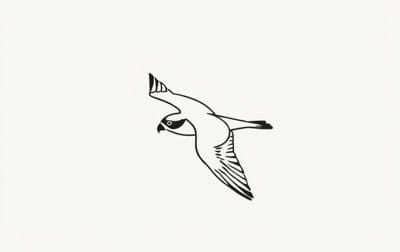
How to Draw a Sharp-Shinned Hawk A Simple Step-by-Step GuideThe Sharp-Shinned Hawk is a small, agile bird of prey known for its quick movements and slender body. Drawing this fascinating raptor can be both an enjoyable and educational experience for bird lovers and artists alike. With its piercing eyes, hooked beak, and distinctive plumage, capturing the essence of this hawk on paper requires close attention to detail and structure.
This guide will walk you through the steps to draw a Sharp-Shinned Hawk using simple techniques that even beginners can follow.
What Makes the Sharp-Shinned Hawk Unique?
Before putting pencil to paper, it’s helpful to observe the key characteristics that make this bird stand out
-
Smallest hawk in North America
-
Narrow body and long tail
-
Rounded wings
-
Yellow legs with sharp talons
-
Distinct facial markings and intense eyes
These features are essential to include when trying to accurately portray the bird in a drawing.
Materials You’ll Need
To start your drawing, gather the following materials
-
Sketching pencil (HB or 2B)
-
Eraser
-
Drawing paper or sketch pad
-
Ruler (optional, for guidance)
-
Fineliner or ink pen for outlining
-
Colored pencils or watercolor (optional for coloring)
Step 1 Sketch the Basic Body Shape
Begin by lightly drawing the main shapes that make up the hawk’s body.
-
Oval for the body – Draw a vertical oval in the center of the page for the bird’s body. Make it slightly narrower to reflect the slim form of the Sharp-Shinned Hawk.
-
Circle for the head – Add a circle at the top of the oval, slightly overlapping it.
-
Guidelines for posture – Sketch a central line going down the middle of the body and a cross on the head to help place the eyes and beak.
These base shapes will guide the entire structure of your drawing.
Step 2 Define the Head and Facial Features
Once the base is in place, begin shaping the head
-
Draw the hooked beak by extending a short, curved triangle from the front of the head circle.
-
Place the eye on the side of the head, slightly above the beak line. The Sharp-Shinned Hawk has a sharp, piercing gaze, so keep the eye circular and intense.
-
Sketch in the crown and neck feathers using short, curved lines.
The head should look compact and alert.
Step 3 Draw the Wings and Tail
The wings and tail are crucial to identifying this bird correctly.
-
For the wings, draw long, rounded shapes folded along the sides of the body. Start from the shoulder area and taper them toward the lower body.
-
The tail should extend down beyond the body. It’s long, straight, and squared at the tip with soft, feathered edges.
Add feather lines in the wings to show layers, and gently curve them for a natural look.
Step 4 Sketch the Legs and Talons
The Sharp-Shinned Hawk has long, thin legs with powerful talons.
-
Draw two straight lines extending down from the lower part of the body for the legs.
-
Add a slight curve where the leg bends into the foot.
-
For the talons, sketch three forward-facing claws and one rear claw on each foot. They should be sharp and slightly curved.
Don’t forget the scaly texture on the legs, which you can add with light cross-hatching.
Step 5 Add Feather Texture and Body Details
Now that the structure is in place, start adding texture
-
Use short strokes to show the direction and shape of feathers on the head, chest, and wings.
-
The chest of the Sharp-Shinned Hawk features fine barring or horizontal lines. Draw these softly to suggest light feather patterning.
-
Along the wings and tail, add longer feather lines with clear layering to create depth and realism.
Be gentle with the pencil pressure so your drawing doesn’t look too harsh.
Step 6 Outline and Refine Your Drawing
Once you’re happy with the overall sketch, go over the main lines with a pen or darker pencil to define your drawing.
-
Clean up any unnecessary guidelines with an eraser.
-
Refine the beak and eyes for sharpness.
-
Make sure the legs and talons are clearly separated from the rest of the body.
Outlining helps your hawk stand out and prepares the sketch for coloring, if desired.
Step 7 Add Color (Optional)
To bring your Sharp-Shinned Hawk drawing to life, you can add color using colored pencils or watercolor
-
Head and back Gray or bluish-gray
-
Chest and belly Light brown with horizontal reddish bars
-
Wings Gray with darker accents
-
Tail Gray with several dark bands
-
Eyes Bright yellow or orange
-
Beak and talons Yellow with dark tips
Apply light layers of color, building up as needed to avoid a blotchy look.
Tips for Drawing Birds of Prey
-
Use reference images for accuracy
-
Keep feather texture light and directional
-
Focus on proportions a Sharp-Shinned Hawk’s small head and long tail are defining traits
-
Draw in stages rather than rushing the details
-
Practice sketching different poses, such as perched or mid-flight
Common Mistakes to Avoid
-
Over-rounding the body – This bird is more slim and sleek than bulky
-
Forgetting tail details – The long, banded tail is a major identifier
-
Oversimplifying the wings – Try to capture feather layering, even in a simple style
-
Misplacing the eye – It should be close to the front of the head, not too far back
Taking your time and observing real-life images will help you catch these small but important details.
Conclusion Practice Makes Perfect
Drawing a Sharp-Shinned Hawk is a rewarding experience that combines art and nature. With careful observation and simple shapes, you can create a detailed and realistic representation of this amazing bird. Whether you’re drawing for fun, study, or educational purposes, practicing birds of prey will help improve your drawing skills and deepen your appreciation for wildlife.
As you gain confidence, try drawing other raptors or creating full scenes with landscapes and flying hawks. With time and patience, your bird sketches will soar to new levels.