Can You Plug a Tire Close to the Sidewall? Understanding Tire Repair SafetyA flat tire can be a major inconvenience, especially if you’re in a hurry or far from help. One common method for dealing with small punctures is using a tire plug. But what if the puncture is located near the sidewall? This situation raises an important safety question Can you plug a tire close to the sidewall?
The answer isn’t as straightforward as you might think. Let’s break down the issue, considering tire structure, repair guidelines, and safety concerns.
What Is a Tire Plug?
A tire plug is a temporary solution used to seal small punctures in a tire, typically in the tread area. It’s a piece of rubber or synthetic material inserted into the hole to stop air from leaking out. Plugs are quick, inexpensive, and easy to apply often without removing the tire from the rim.
However, tire plugs are only recommended for certain types of punctures, especially those located in the main tread area. When it comes to punctures near the sidewall, things get more complicated.
Understanding Tire Structure
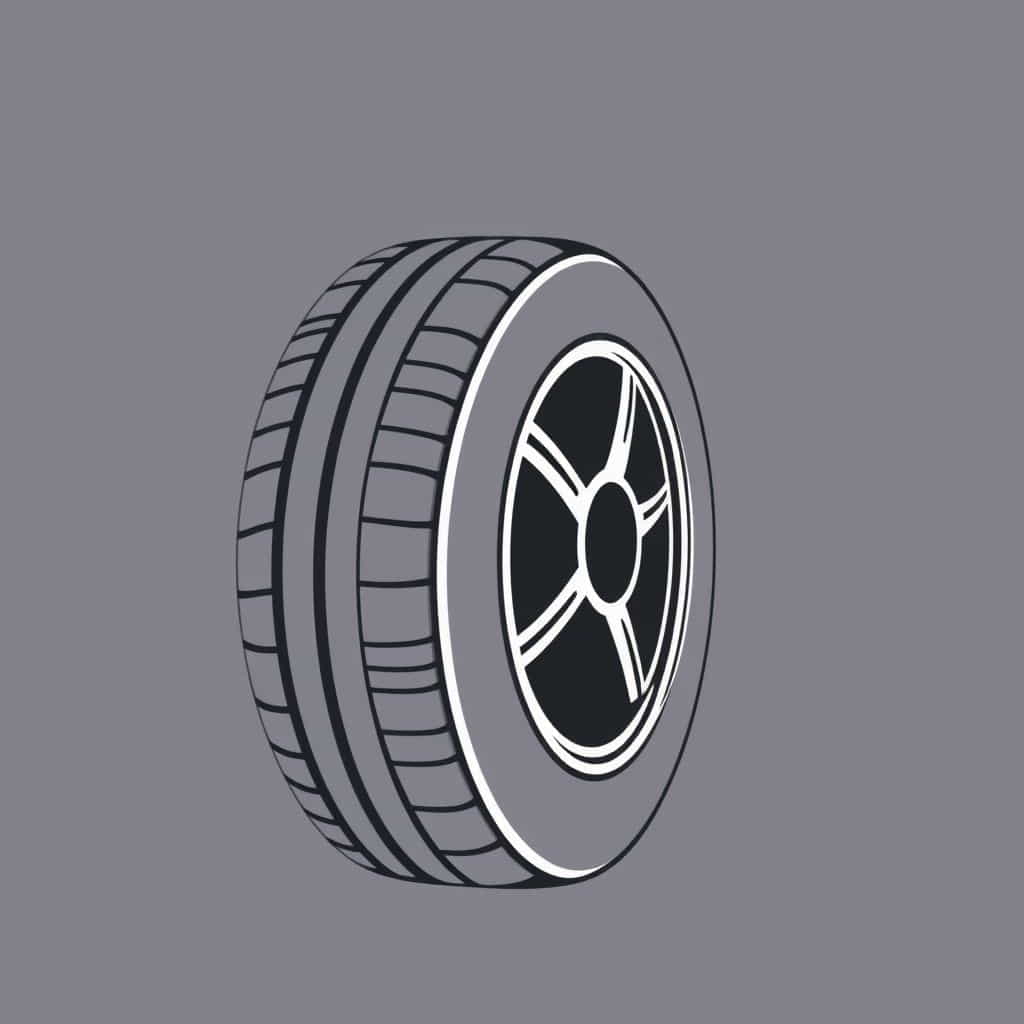
To grasp why sidewall repairs are risky, it’s helpful to understand how a tire is built. Tires consist of several components
-
Tread The outermost part that contacts the road. It’s thick and durable.
-
Shoulder The edge between the tread and sidewall.
-
Sidewall The flexible area on the side of the tire. It absorbs road shock and maintains tire shape.
-
Inner layers These include belts and plies that give the tire strength.
The sidewall lacks the dense structure of the tread, making it more prone to damage and harder to repair effectively.
Why the Sidewall Is a Sensitive Area
The sidewall is constantly flexing as the tire moves. This movement creates stress, making it difficult for plugs or patches to stay secure. Even a professionally installed plug near the sidewall might not withstand the pressure and motion over time.
That’s why most tire experts and manufacturers warn against repairing any puncture located
-
On the sidewall itself
-
Within 1 to 1.5 inches of the edge of the tread (the shoulder)
Plugging in these areas compromises the tire’s structural integrity and can lead to dangerous blowouts.
Manufacturer and Industry Guidelines
Organizations like the Rubber Manufacturers Association (RMA) and tire companies like Michelin and Goodyear provide strict guidelines for safe tire repairs. They typically state
-
Only punctures in the tread area are eligible for repair.
-
The hole must be no wider than 1/4 inch.
-
The repair should involve both a plug and a patch, not just one.
According to these standards, punctures close to or on the sidewall should not be plugged.
Temporary vs. Permanent Repairs
It’s important to understand that even under ideal conditions, a plug is considered a temporary fix. Plugs can help you get to a safe location or tire shop, but they are not meant for long-term use.
If the damage is near the sidewall, even using a plug temporarily can be risky. The best course of action is usually to replace the tire entirely to ensure safety.
Common Myths About Plugging Near the Sidewall
Let’s clear up a few common misunderstandings
-
If the hole is small, a plug should be fine. False. The size doesn’t matter as much as the location. The sidewall can’t support plugs reliably, even for small holes.
-
I’ve driven on a plugged sidewall before and nothing happened. Just because it worked once doesn’t make it safe. Tires are unpredictable, and a blowout can be catastrophic.
-
Shops just want to sell me a new tire. While replacement can be costly, most tire shops follow strict liability and safety rules. Recommending replacement isn’t about profit it’s about safety.
What Happens If You Plug a Sidewall Puncture?
If you decide to plug a puncture near the sidewall, here’s what you risk
-
Sudden air loss due to plug failure.
-
Reduced control of the vehicle, especially at high speeds.
-
Tire blowout, which can lead to serious accidents.
-
Voiding of warranty, since improper repairs often cancel tire warranties.
For these reasons, it’s generally not worth taking the risk.
Alternatives to Plugging a Sidewall Puncture
If you discover a puncture near the sidewall, here are your best options
-
Replace the tire This is the safest and most recommended solution.
-
Use a spare If you have a full-size or temporary spare, use it until a new tire can be installed.
-
Call roadside assistance They can help assess the damage or tow your car to a service center.
-
Use tire sealant (only for emergencies) While not ideal, some sealants can temporarily help, but they are also not safe for sidewall damage and can damage tire pressure monitoring systems.
Preventing Tire Punctures
Though not all tire damage is avoidable, you can reduce the chances of experiencing a sidewall puncture by
-
Avoiding potholes and debris whenever possible
-
Maintaining proper tire pressure
-
Checking tires regularly for visible damage or wear
-
Not overloading your vehicle
Regular tire maintenance extends tire life and improves safety.
Plugging a tire close to the sidewall may seem like a quick fix, but it comes with serious safety risks. Because the sidewall is not designed to hold a plug and is constantly under stress, any damage near this area usually calls for a full tire replacement.
If you’re ever unsure about the severity or location of a puncture, the safest move is to consult a professional. Your tires are the only part of your vehicle that touch the road keeping them in top condition is critical for your safety and that of everyone around you.