How to Use the Word Scowl in a Sentence Definition, Examples, and Everyday ContextsExpanding your vocabulary can make your writing and speech more expressive and vivid. One word that carries strong emotional weight is scowl. It’s not only useful for describing facial expressions but also helps convey tone and mood effectively. Understanding how to use scowl in a sentence can improve the way you communicate emotions like anger, annoyance, or disapproval.
What Does Scowl Mean?
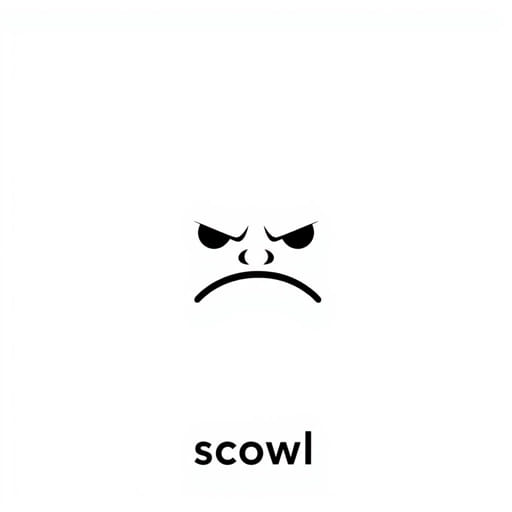
The word scowl is most commonly used as a verb and a noun. As a verb, it means to frown in an angry or bad-tempered way. As a noun, it refers to the actual expression of displeasure or irritation shown on someone’s face.
Verb Example
- She scowled at the noise coming from the other room.
Noun Example
- His scowl made everyone fall silent.
Why Scowl Is a Powerful Word
Using the word scowl gives your language a sense of emotion and physical reaction. It paints a picture of someone visibly unhappy or irritated. Instead of just saying someone was mad, describing a scowl adds detail and visual impact.
Related Keywords and Synonyms
To strengthen your vocabulary around this word, here are a few related terms
-
Frown
-
Glare
-
Grimace
-
Glower
-
Sneer
-
Pout
While each of these words has a slightly different meaning, they all involve facial expressions that reflect emotion.
Using Scowl in a Sentence
Everyday Sentences with Scowl (Verb Form)
-
The teacher scowled when she saw the students whispering during the exam.
-
He scowled at his phone after receiving bad news.
-
She scowled in frustration when the printer jammed for the third time.
These sentences show how the verb form of scowl is used to describe someone’s reaction in everyday life.
Sentences with Scowl as a Noun
-
With a deep scowl on his face, he walked out of the meeting.
-
The child returned her mother’s warning with a dramatic scowl.
-
His scowl said more than any words could.
As a noun, scowl refers to the expression itself rather than the action.
Contexts Where Scowl Is Commonly Used
1. In School or Educational Settings
-
The principal scowled at the rowdy students in the hallway.
-
Her scowl made it clear that the answer was incorrect.
Teachers, students, and authority figures often display scowls to show disapproval or impatience.
2. At Work or in Professional Environments
-
The manager scowled when the presentation failed to load.
-
He greeted the delay with a silent scowl.
In professional situations, a scowl might replace a verbal complaint.
3. At Home or in Relationships
-
She scowled at her brother for spilling juice on her homework.
-
His scowl told his partner he was in no mood to talk.
Scowls often reflect tension or disagreement within close relationships.
Tone and Emotion Behind the Word Scowl
Using scowl helps convey a non-verbal reaction to something unpleasant or frustrating. It shows that someone is upset without needing to speak. Depending on the situation, a scowl can show
-
Anger
-
Annoyance
-
Displeasure
-
Frustration
-
Contempt
This makes the word especially useful in storytelling and descriptive writing.
Sentence Variations Using Scowl
By combining scowl with different adverbs or prepositions, you can add depth and detail.
Verb + Adverb
-
He scowled angrily at the broken remote.
-
She scowled silently, not wanting to argue.
Verb + Preposition
-
He scowled at the spilled coffee.
-
She scowled toward the noisy neighbors.
These variations allow you to tailor the emotion to fit different situations.
Past Tense and Passive Voice
Since scowl is a regular verb, the past tense is simply scowled.
Past Tense
- The dog scowled at the stranger and growled softly.
Passive Use (less common)
- A scowl was given in response to the question.
Although passive voice is rarely used with scowl, it can still appear in descriptive writing.
Avoiding Repetition in Writing
If you use the word scowl multiple times in a paragraph, it can sound repetitive. To avoid this, switch between scowl and synonyms or descriptive phrases.
Example
- He scowled at the mess in the kitchen. With furrowed brows and a clenched jaw, he began cleaning up.
This technique keeps your writing fresh while still emphasizing the character’s mood.
Practice Sentences to Try
Try making your own sentences using scowl. Here are some prompts to help you
-
Imagine you’re annoyed with your computer not working.
-
Think of a parent upset with a child’s behavior.
-
Picture a coworker reacting to an unexpected email.
Sample Answers
-
I scowled at the screen as the error message popped up again.
-
The mother scowled when she saw muddy footprints on the clean floor.
-
He gave a long scowl before reluctantly agreeing to the plan.
Practicing like this helps you get comfortable using the word in real situations.
Scowl in Literature and Dialogue
Writers and authors frequently use scowl to build tension or reveal emotions through facial expressions. It’s a favorite tool in fiction, drama, and even poetry.
Example from a story
- Don’t talk to me like that, she said with a scowl.
This usage is natural in dialogue and helps develop character personality and tone.
The word scowl is a compact and expressive way to show someone’s displeasure, whether spoken or unspoken. Whether used as a verb or a noun, it brings life to your sentences by showing rather than telling how someone feels. It’s a valuable word in your everyday vocabulary and a favorite in both casual speech and creative writing.
By practicing different sentence forms and understanding the contexts where scowl fits, you’ll be better equipped to use it confidently and effectively.