Two Fascinating Examples of Insectivorous Plants for Class 6 StudentsInsectivorous plants, also known as carnivorous plants, are unique plants that can trap and digest insects to obtain nutrients. These plants grow in nutrient-poor soil and have evolved special mechanisms to catch and digest their prey. Understanding how these plants work can be an exciting and educational experience, especially for Class 6 students learning about the diversity of plant life.
In this topic, we will explore two well-known examples of insectivorous plants the Venus flytrap and the pitcher plant. We will look at how they capture insects and the fascinating adaptations that help them survive in challenging environments.
What Are Insectivorous Plants?
Insectivorous plants are a group of plants that have developed special structures to trap and digest insects. They typically grow in soil that lacks essential nutrients like nitrogen and phosphorus. As a result, these plants capture insects to meet their nutritional needs. The process of trapping and digesting insects helps these plants survive in environments where other plants might struggle to grow.
Insectivorous plants are not ‘meat-eaters’ in the way animals are; they simply use insects to supplement the nutrients they cannot get from the soil.
1. The Venus Flytrap A Fascinating Trap Mechanism
Overview of the Venus Flytrap
The Venus flytrap (Dionaea muscipula) is one of the most famous insectivorous plants. This plant is native to the subtropical wetlands of North and South Carolina in the United States. The Venus flytrap has unique leaf structures that act like jaws, capable of snapping shut when triggered by an insect.
How the Venus Flytrap Works
The Venus flytrap’s leaves are modified into two lobes with sharp, tooth-like structures along the edges. These lobes are known as trap leaves. On the surface of each trap are tiny hairs that serve as sensors. When an insect or spider touches two or more of these hairs in quick succession, the trap closes within a fraction of a second.
The trap is like a ‘snap-shut’ mechanism. Once it closes, the Venus flytrap creates a tight seal to trap the prey inside. The plant then secretes digestive enzymes that break down the insect’s body, allowing the Venus flytrap to absorb the nutrients it needs.
Fun Facts About the Venus Flytrap
-
The Venus flytrap is highly sensitive to movement. The trap only closes when the hairs are touched twice, preventing false alarms.
-
After catching prey, the Venus flytrap can take 10 days to digest the insect completely before reopening.
-
The plant can catch and digest multiple insects, but after a few meals, the trap becomes less effective and eventually dies.
2. The Pitcher Plant A Slippery Trap
Overview of the Pitcher Plant
Another interesting example of an insectivorous plant is the pitcher plant. There are many different species of pitcher plants, but they all share similar characteristics. These plants are found in tropical and subtropical regions around the world, including North America, Southeast Asia, and Australia.
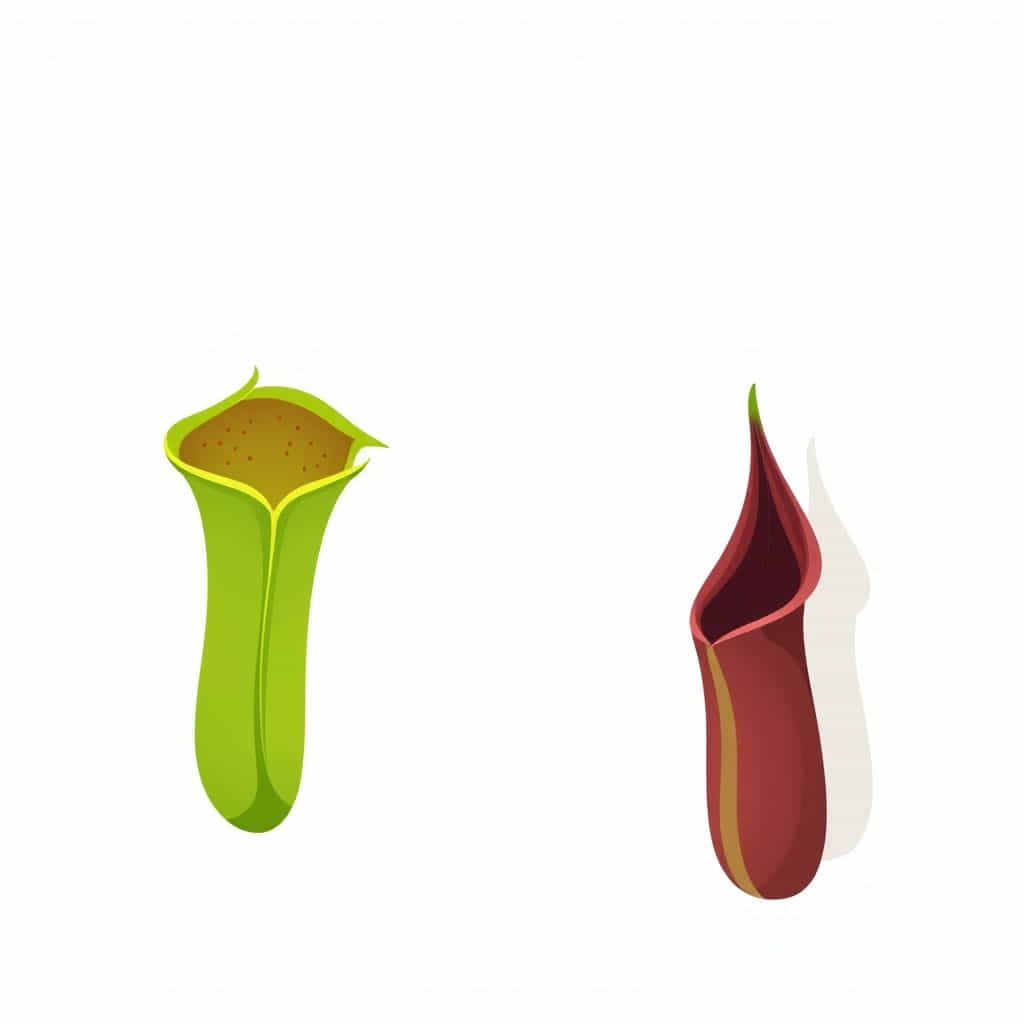
The name ‘pitcher plant’ comes from the plant’s pitcher-shaped leaves. These leaves are designed to hold water and act as a trap for insects.
How the Pitcher Plant Works
Pitcher plants have specialized leaves that are shaped like a deep pitcher or urn. The inside of the pitcher is lined with slippery surfaces, and the plant secretes a sweet nectar that attracts insects. Once the insect lands on the pitcher, it finds it difficult to escape due to the slick inner walls and downward-pointing hairs.
The insect falls into the pitcher, where it becomes trapped in the water at the bottom. Inside the pitcher, digestive enzymes break down the insect’s body, and the plant absorbs the nutrients.
Fun Facts About the Pitcher Plant
-
Some pitcher plants, such as the Nepenthes species, can capture prey as large as small frogs or even rodents!
-
The liquid inside the pitcher serves as both a trap and a digestive medium, breaking down the captured insects into usable nutrients.
-
Some pitcher plants have evolved mutualistic relationships with ants. Ants bring food to the plant in exchange for shelter inside the pitcher.
Why Are Insectivorous Plants Important?
Insectivorous plants play a crucial role in their ecosystems. They help control insect populations, preventing certain species from becoming too abundant. Additionally, by obtaining nutrients from insects, these plants thrive in environments where other plants would not survive, such as acidic, nutrient-poor soils.
These plants are also an important part of biodiversity, contributing to the variety of life in their habitats. Understanding insectivorous plants gives us insight into how organisms can adapt to their environments in unexpected ways.
How Insectivorous Plants Contribute to Science Education
For students, studying insectivorous plants is a great way to explore the wonders of nature. These plants provide real-world examples of how plants can adapt to environmental challenges and evolve unique traits to survive.
In Class 6, learning about these plants helps students appreciate the diversity of the plant kingdom. It also fosters curiosity about how living organisms interact with their environment and how science can explain these interactions.
Insectivorous plants like the Venus flytrap and pitcher plant are fascinating examples of how plants can adapt to their environment. By developing specialized mechanisms to trap and digest insects, these plants have found innovative ways to obtain essential nutrients. Understanding these plants not only broadens our knowledge of nature but also teaches us about the complexity and resilience of life on Earth.